How to Sell Your Home Gym Equipment Fast (and Locally)
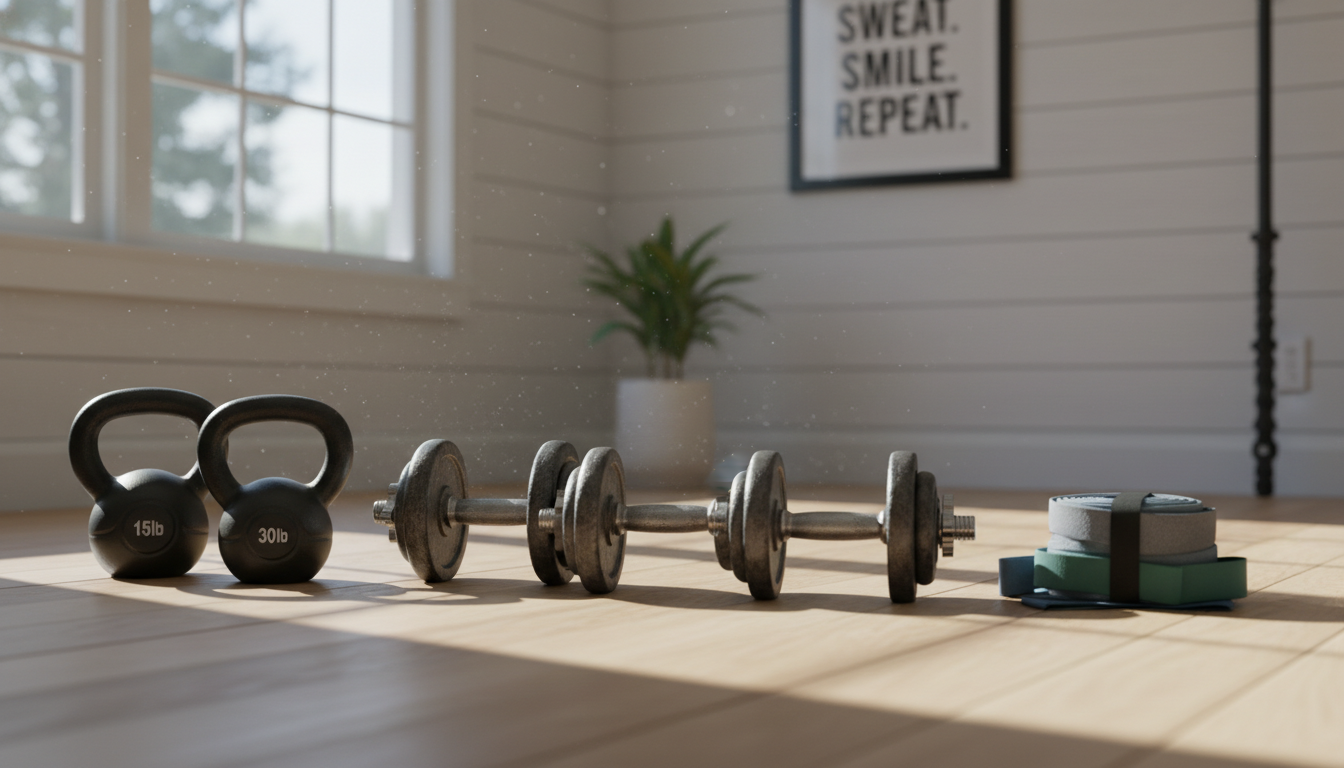
Selling home gym equipment locally is faster than most people expect — if you know where to list and how to price. The short answer: Facebook Marketplace and Craigslist move heavy gear quickest, but a few prep steps determine whether you get a fair price or lowball offers.
Why Local Beats Shipping (Almost Every Time)
Barbells, squat racks, and plate sets weigh hundreds of pounds. Shipping a Rogue R-3 Power Rack across the country costs more than most buyers will absorb. Local pickup solves that entirely.
Buyers searching locally are also more serious. They’ve already figured out how to haul it. You’re not dealing with PayPal disputes or freight brokers — just a cash handoff at your garage door.
The one exception: small, high-value items like adjustable dumbbells or belt squat attachments can ship profitably. For those, eBay is worth the extra step.
Best Platforms to List Locally
Facebook Marketplace is the dominant channel for used gym equipment right now. It has GPS-based search, buyer profiles you can vet, and Messenger built in. List there first, every time.
Craigslist still works, especially for large items like squat racks and cable machines. The audience skews older and more serious. Fewer tire-kickers than you’d expect.
OfferUp is worth a simultaneous listing — it’s essentially Craigslist with a better mobile experience and user ratings. Takes five minutes to mirror your Facebook post there.
Nextdoor is underrated for equipment that appeals to casual users: treadmills, stationary bikes, light dumbbells. Neighbors are motivated to buy nearby and skip the awkward stranger-in-your-garage dynamic.
For specialty or high-end gear — a Concept2 RowErg, a GHD machine, competition bumper plates — post in local fitness Facebook groups too. Search “[your city] + CrossFit” or “[your city] + home gym” to find them.
How to Price Used Gym Equipment
The rule of thumb: 50–70% of current retail for gear in good condition, 30–50% for older or worn pieces. But that’s just a starting point.
Check completed sales (not active listings) on eBay and Facebook Marketplace to see what similar items actually sold for. Active listings tell you what sellers want. Sold listings tell you what the market pays.
A few factors that push price up:
- Original packaging or manual included
- Popular brand with parts still available (Rogue, Titan, Life Fitness)
- Low mileage on cardio equipment (document hours if the machine tracks them)
- Recent maintenance or new belts/cables
A few factors that drag it down:
- Rust on barbell sleeves or knurling
- Treadmill belt that slips or a motor making noise
- Discontinued models with no replacement parts
- Missing hardware (bolts, J-cups, safety arms)
Price honestly. Buyers who show up and find surprises will negotiate hard or walk. Buyers who find the item exactly as described often pay full ask.
Writing a Listing That Actually Converts
Photos matter more than the description. Shoot in daylight, clear the area around the equipment, and photograph every angle plus any wear spots. Ten photos minimum for anything worth over $200.
In the description, include:
- Brand and model number
- Dimensions (critical for racks, benches, cardio machines)
- Weight capacity
- Any known issues, even minor ones
- Whether you’ll help load it
“OBO” (or best offer) signals flexibility and increases inquiries. But set a floor in your head before you list — it’s easy to cave on price when someone’s standing in your driveway with cash.
Bundling vs. Selling Separately
A full home gym bundle (rack + barbell + plates + bench) can attract a buyer who wants to outfit a garage in one trip. Convenient for them, faster for you. But bundling usually means a lower total price — buyers expect a discount for taking everything.
Selling separately almost always earns more. A Rep Fitness AB-5200 Bench sells better on its own than lumped into a package where the buyer is really only interested in the barbell.
The exception: if you’re moving and need everything gone in two weeks, bundle it, price it fairly, and post it as a single deal. Speed has value.
Safety and Logistics for Local Sales
Meet buyers in your driveway or garage — never invite strangers inside your house. Cash or Venmo (confirm receipt before they load anything). If the item is heavy, tell buyers to bring a helper; most serious buyers already know this.
For large equipment, disassemble what you can before they arrive. A squat rack broken into uprights and feet is manageable with two people. Fully assembled, it’s a puzzle that costs you an hour and a strained relationship with your buyer.
Bottom line: List on Facebook Marketplace first, mirror to OfferUp and Craigslist, price at 50–70% of retail for clean gear, and lead with good photos. Most home gym equipment sells within a week when listed correctly.