How to Find Used Home Gym Equipment Worth Buying
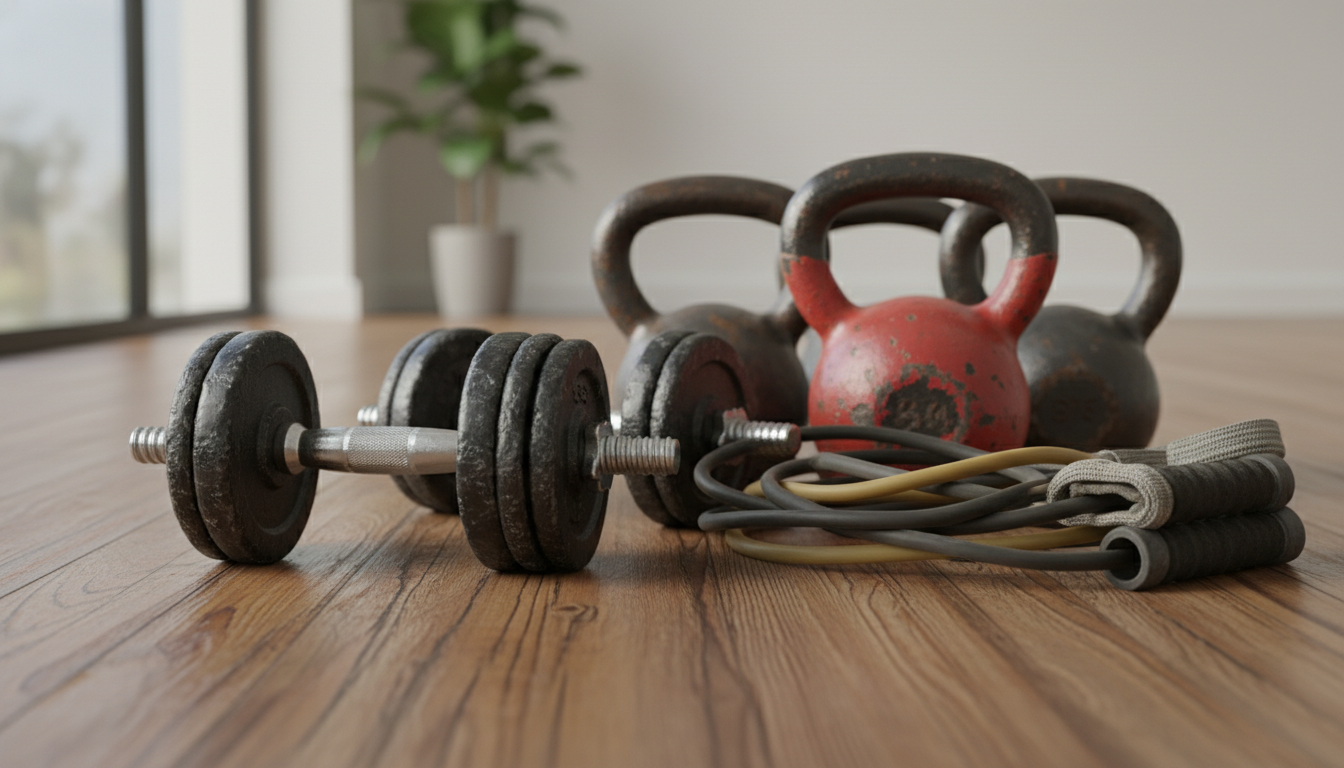
Searching locally for secondhand gym equipment is smart — you can save 40–70% off retail and often score commercial-grade gear a consumer budget wouldn’t touch. The challenge is knowing where to look, how to vet what you find, and when to walk away.
Where to Actually Look
Facebook Marketplace is the starting point for most people, and for good reason. Inventory turns over fast, sellers often price to move, and you can filter by distance. Search by category rather than just keyword — “fitness equipment” surfaces listings that use different terms than what you’d type.
Craigslist is older but still worth checking, especially in smaller cities where Facebook adoption is lower. OfferUp covers similar ground and tends to have slightly more buy-it-now pricing, which cuts out negotiation for buyers who prefer that.
Beyond the major apps:
- Local gym closures — commercial gyms liquidate equipment through auction houses like Nitro Fitness or GoAuction. Plates, benches, and cable machines go cheap.
- Play It Again Sports — a franchise reseller with physical locations. Inventory is inconsistent, but staff inspect what they take in.
- Garage sales and estate sales — use EstateSales.net or Nextdoor to find these. Equipment here is often priced by people who have no idea what it’s worth — in your favor.
- Gym owner groups on Facebook — search “[your city] gym equipment” or “[your city] fitness buy sell trade.” These groups move heavier commercial pieces that won’t show up on general Marketplace.
What’s Worth Buying Used
Some equipment ages well. Some doesn’t.
Buy used without hesitation:
- Olympic plates and barbells (check for bends and knurling wear)
- Dumbbells — rubber hex or cast iron hold up for decades
- Power racks and squat stands (inspect welds and hardware)
- Benches (check padding and frame, ignore cosmetic scratches)
- Kettlebells
Buy used with caution:
- Cable machines — cables and pulleys wear out; replacement parts can cost as much as the machine
- Treadmills and ellipticals — motors degrade, belts crack, electronics fail
- Resistance bands — no way to assess internal micro-tears
Skip used entirely:
- Jump stretch bands older than a few years
- Anything with cracked welds or structural damage
- Foam rollers and ab mats (hygiene, and they’re cheap new)
How to Inspect Before You Buy
Never buy barbells or racks without seeing them in person. For a barbell, spin the sleeves — they should rotate freely with no grinding. Check the shaft for visible bends by rolling it on a flat surface. Look at the knurling; severe wear means the bar has been used hard, which isn’t necessarily a dealbreaker but should drop the price.
For power racks, bring a tape measure and check that uprights are plumb. Rock it side to side and front to back. Any wobble points to either uneven floors or compromised welds. Check every bolt hole for deformation — stripped holes are a structural problem, not a cosmetic one.
For cardio equipment, ask the seller to run it for at least five minutes before you arrive. Listen for belt noise on treadmills (a worn belt sounds like a muffled scraping). On a rower, pull hard and check that the damper moves smoothly through all settings.
Bring a phone and look up the model number on the spot. A Rogue RML-390F rack used is worth more than a no-name brand new. Knowing the original retail price gives you leverage.
How to Negotiate
Most sellers on Marketplace price expecting a counter. Ten to twenty percent below asking is standard for gym equipment in decent condition. If something needs obvious repair — fraying cables, missing hardware, a cracked sleeve — use that as a specific reason to go lower, not just a vague “I’ll give you less.”
Offer to pick up immediately. Sellers moving heavy equipment have already paid or borrowed a truck to get it to the listing photo. Solving that problem for them gets deals done.
If a listing has been up more than two weeks, send a lower offer with a same-day pickup offer. Stale listings are often just waiting for someone to make any reasonable move.
Pricing Benchmarks to Know
Prices vary by market, but these ranges hold in most mid-sized metros:
- Olympic plates (iron): $0.50–$1.00/lb used vs. $1.50–$2.00/lb new
- Mid-range barbell (e.g., Rogue Ohio Bar): $150–$250 used vs. $350 new
- Flat or adjustable bench: $50–$150 used depending on brand
- Power rack (basic): $150–$400 used; commercial racks can run more
- Bowflex SelectTech 552s: $200–$300 used vs. $400+ new
Anything priced above 70% of current retail isn’t worth the pickup hassle unless it’s rare or in exceptional condition.
Bottom line: Facebook Marketplace and gym liquidation auctions are where the best deals are right now. Prioritize iron and steel over electronics, inspect before you commit, and use the original retail price as your negotiating anchor. The right piece of used equipment will outlast anything cheap and new.