How to Sell Home Gym Equipment Fast (and for More)
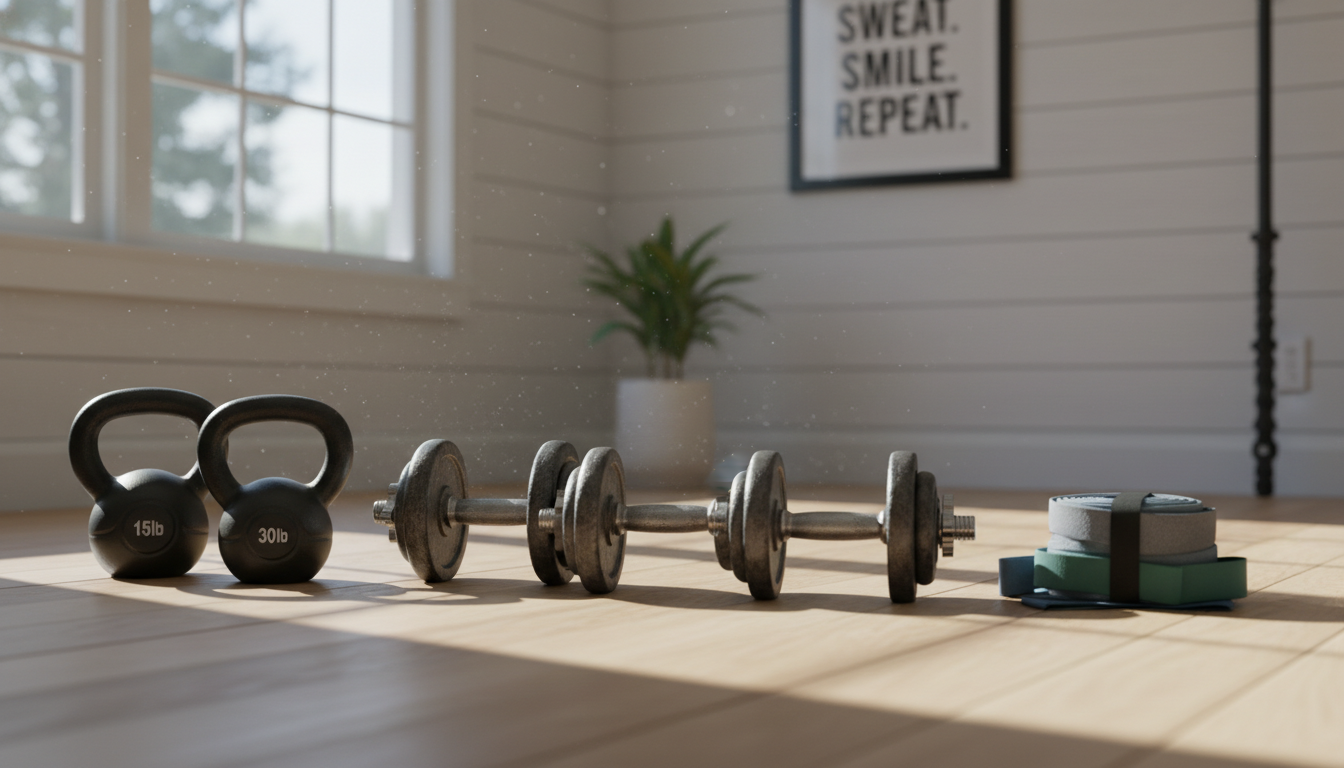
You want your equipment gone — ideally for cash, ideally soon. The good news: used gym gear sells faster than almost any other secondhand category when you list it in the right places at the right price. Here’s exactly how to do it.
Where to Sell (Local First, Then Online)
Local is almost always better for heavy equipment. You avoid shipping freight costs, and buyers can inspect before they commit — which removes the biggest objection.
Facebook Marketplace is the single best starting point for most sellers. It has replaced Craigslist in most U.S. markets, has a larger buyer pool, and lets you communicate through Messenger without giving out your number. List there first.
Craigslist still works, especially in smaller cities where Facebook Marketplace hasn’t fully taken over. Post in both and see which gets traction. Delete whichever listing sells first.
OfferUp is worth a listing if you have time to manage a third platform. It skews toward mobile users and tends to attract buyers in the 25–40 range who are actively searching fitness gear.
For high-value pieces — a Rogue RML-490 rack, a Concept2 RowErg, a Technogym treadmill — also post on eBay with local pickup only. Serious equipment collectors search eBay specifically because they know gear listed there tends to be priced by people who did their research.
How to Price Used Gym Equipment
The biggest mistake sellers make is anchoring to what they paid. A $500 barbell bought in 2021 is not a $500 barbell today. Depreciation is real, and buyers know it.
A working rule of thumb:
- Lightly used, no damage: 60–70% of current retail
- Normal wear, fully functional: 40–55% of current retail
- Older gear, cosmetic issues: 25–40% of current retail
Pull the current retail price from the manufacturer’s site — not Amazon, where third-party sellers inflate numbers. If the item is discontinued, check recent sold listings on eBay (filter by “Sold Items”) to find what buyers actually paid.
Price slightly high on your first listing. You can always drop. Starting too low leaves money behind and signals something is wrong with the item.
How to Write a Listing That Actually Converts
Most gym equipment listings are garbage — one blurry photo and “works great, selling because moving.” That’s your opportunity.
Photos matter more than anything else. Take 6–10 photos in good light: full view, weight capacity sticker, any wear or scratches, knurling close-up on barbells, welds on racks. Natural daylight beats a garage fluorescent every time.
Your listing description should answer the questions a buyer will ask before they bother to message you:
- Brand and model number (e.g., Titan Fitness T-3, not just “squat rack”)
- Weight capacity
- Current retail price and where to verify it
- Why you’re selling (brief, honest — “downsizing” reads better than nothing)
- Dimensions if it’s a rack, bench, or cardio machine
- Any damage or wear, described plainly
Buyers who have to ask basic questions often don’t follow through. Remove that friction.
Handling Pickup and Payment
Cash is king for local sales. If a buyer pushes back on cash, Venmo or Zelle work fine — avoid PayPal Goods & Services for local pickup, because chargebacks are possible after the buyer has your equipment.
For heavy items like squat racks, power cages, or stacked plates, be upfront in your listing that the buyer needs to bring help. Most buyers expect this. You’re not obligated to help load — but being friendly about it moves the sale along.
Don’t hold equipment without a deposit. A serious buyer will send $20–50 via Venmo to lock in a pickup time. If they refuse, they’re not serious, and you’ll be ghosted day-of.
What Sells Quickly vs. What Sits
Not all gym gear moves at the same speed. Knowing this helps you set realistic expectations and adjust pricing accordingly.
Moves fast:
- Olympic plates (especially bumpers)
- Adjustable dumbbells (Bowflex 552s, PowerBlocks)
- Barbells in good condition
- Concept2 rowers and ski ergs
- Flat and adjustable benches
Takes longer:
- Treadmills and ellipticals (heavy, hard to transport, buyers are picky)
- Half racks and full power cages (need SUVs or trucks, limits buyer pool)
- Specialty bars (safety squat bars, trap bars) — niche buyers
- Older cable machines and multi-gyms
If something isn’t selling after two weeks, drop the price 15% and refresh the listing with new photos. A refreshed listing reappears near the top of search results on most platforms.
When to Bundle, When to Split
Selling a full set of equipment? Bundling is tempting but usually leaves money behind. Plates, barbells, and racks each have their own buyer pools. Someone building a budget home gym wants plates — they may already have a bar.
Split everything into individual listings. You’ll sell faster and net more total. Bundle only if something genuinely won’t move on its own, or if you’re on a hard deadline to clear the space.
Bottom line: Facebook Marketplace plus a clean listing with real photos and an honest price will move most equipment within a week. Price to the current market, not what you paid, and don’t hold for buyers who won’t leave a deposit.